


Why this matters: More than 170 million people have registered as organ donors, placing their trust in a national system designed to match patients with donated organs based on medical urgency and fairness. With more than 100,000 patients waiting for a transplant at any given time, maintaining that trust is essential to the strength of the donation, procurement, and transplantation system.
-
April 2026 update
OPTN Modernization is a coordinated effort to strengthen the nation’s organ donation, procurement, and transplant system through increased transparency, accountability, and innovation. These efforts focus on improving governance, enhancing technology infrastructure, and strengthening oversight to better serve patients, donors, and transplant professionals. By updating longstanding systems and policies to reflect current clinical practice and public health needs, OPTN Modernization aims to improve outcomes across the national transplant system.
-
Key developments this month
- National Donate Life Month: April is a time to recognize and honor those who have made the important decision to be organ donors.
- Medical drone supports organ transplant logistics: A recent drone demonstration in Missouri aims to facilitate faster transplants.
- New Patient Safety Officer Workgroup: A new workgroup launched to implement the HRSA-directed Patient Safety Officer role and strengthen patient safety.
- Normothermic Regional Perfusion (NRP) webpage launched: A new public webpage that provides centralized information, resources, and FAQs on NRP.
- Two policy proposals advance to the Board: Donation After Circulatory Death (DCD) and rabies screening proposals will be voted on at upcoming OPTN Board Meetings.
- Updated OPTN membership forms: Updated forms will be available in the Member Community Portal and online on April 24, 2026.
- Recission of COVID-era practice: A new announcement that prior guidance permitting use of waitlist screening parameters to prevent organ offers is rescinded.
- Donation service area transition: Management of the FLMP donation service area in South Florida has transitioned to the South Florida Donor Network.
- Improving patient safety oversight: HRSA has initiated a new contract aimed to strengthen patient safety.
For patients, families, and the public
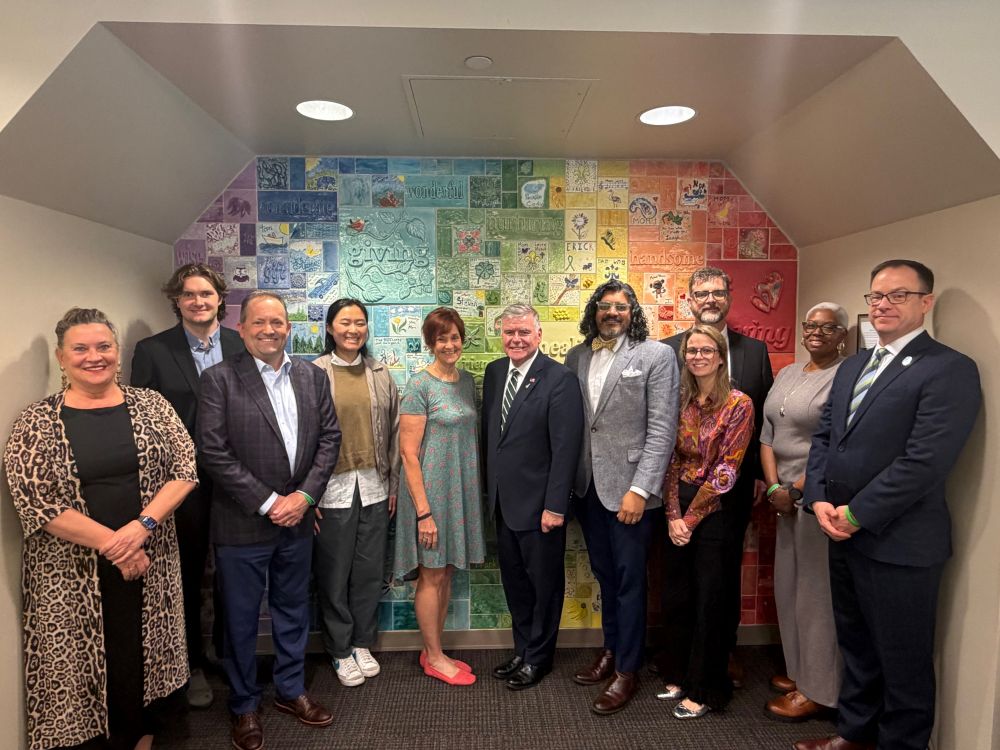
National Donate Life Month
April marks National Donate Life Month, an opportunity to reflect on the profound difference organ, eye, and tissue donation makes for people across the country. Over the past year, thousands of deceased and living donors helped make life-saving transplants possible for patients on the national waiting list. This month, we honor the generosity of donors and their loved ones and recognize those who continue to wait for a transplant.
Donate Life Month is more than a celebration of lives saved; it’s a moment to recognize the extraordinary generosity of people who donate and the shared responsibility we all carry to protect patients and strengthen the national transplant system. At HRSA, we’re working to make that system safer, more effective, and worthy of the gifts entrusted to it. We’re deeply grateful to the organ procurement and transplant professionals whose dedication makes donation and transplantation possible every day. To learn more or get involved, visit organdonor.gov.
Medical drone project aims to speed delivery of transplant materials
-
-
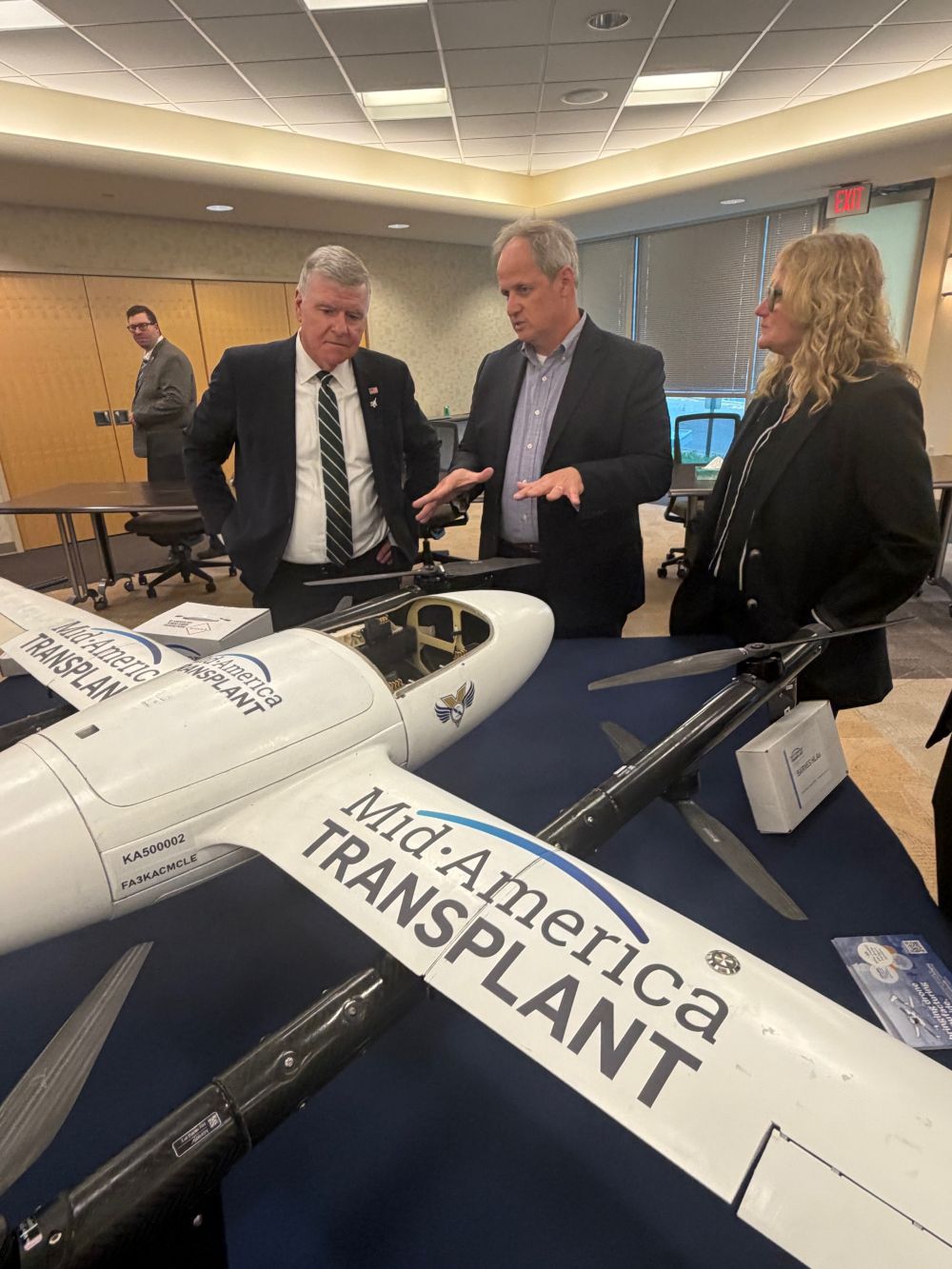
HRSA Administrator Tom Engels recently participated in a demonstration showcasing the use of drone technology to transport critical medical items needed for organ donation and transplantation. Developed through a partnership between Mid-America Transplant, Valkyrie UAS Solutions, and Missouri University of Science and Technology, the drone is designed to transport human tissue, blood samples, and other time-sensitive medical materials between communities using unmanned aircraft. The project will continue with additional test flights later this month, marking a significant step forward in medical logistics innovation.
-
Why this matters: Technologies like this can improve coordination, increase efficiency, and support better care for patients. Faster transport of time-sensitive transplant materials can help reduce delays and improve coordination across the donation and transplant system when every minute counts.
-
-
OPTN to gather feedback to strengthen service and support through OPTN 411
OPTN 411, which launched at the end of December, serves as a single point of contact for patients, families, and the public on questions related to organ donation, procurement, and transplantation. In late April, OPTN 411 will launch a new customer service survey that gives callers an opportunity to share feedback on their experience. The survey will help inform service improvements and support consistent, responsive assistance.
Why this matters: Caller feedback helps OPTN 411 improve the support experience and better meet the needs of those it serves.
Stronger oversight for increased transparency and accountability
New Patient Safety Officer Workgroup to strengthen patient safety
The OPTN Board of Directors launched a new Patient Safety Officer (PSO) Workgroup to strengthen patient safety and oversight across the OPTN. The PSO role was introduced in September 2025 following HRSA direction (PDF - 286 KB) requiring each organ procurement organization (OPO) to designate a dedicated patient safety officer in response to identified safety risks and gaps in real‑time oversight. The Workgroup will define and operationalize the PSO role for OPOs, with clear responsibilities, standard processes, and alignment with OPTN patient safety reporting.
Why this matters: Clearly defined patient safety roles create direct accountability when safety concerns arise and strengthen how the OPTN protects patients, donors, and families across the organ donation and transplant system.
Expanding transparency around NRP with a new webpage
HRSA and the OPTN launched a new Normothermic Regional Perfusion (NRP) webpage to provide clear, centralized information on the use of NRP in organ donation and transplantation. The webpage explains what NRP is, where it fits within the donation process, and how federal oversight and OPTN policy address patient safety, ethics, and appropriate safeguards.
Why this matters: Providing clear, accessible information supports transparency and helps patients, families, and clinicians understand how safety and ethical standards are applied in practice.
Donation service area transition
On March 27, management of the donation service area (DSA) on the southern tip of Florida, including Miami, transitioned to a new OPO, South Florida Donor Network following the decertification of the previous OPO and a competitive selection process for a successor. HRSA and the OPTN worked closely with both organizations to support a structured transition, with a focus on maintaining continuity of operations, preserving donor referral processes, and avoiding disruption to patients awaiting transplantation.
Why this matters: This transition demonstrates how the OPTN Modernization framework supports accountability and continuous improvement. When performance concerns are identified, established processes allow for changes in service providers while maintaining uninterrupted care. Effective transitions help protect patients and donor families and reinforce confidence in the system.
Planning for future contract support
HRSA has initiated a new contract solicitation to strengthen patient safety oversight across the organ donation and transplant system. This effort will enhance monitoring capabilities and support more timely identification of and response to potential risks.
Why this matters: Improved data and oversight tools and processes enable faster responses to emerging issues, helping prevent harm and improve patient outcomes while strengthening system reliability.
Registration fee collection update
The federal funding bill (HR 7148) extends HRSA's authority to collect OPTN patient registration fees, originally granted in the 2025 Full-Year Continuing Appropriations and Extensions Act. This authority enables registration fees to fund multiple OPTN operations contracts while strengthening fiscal transparency and oversight.
HRSA continues to implement a secure federal billing process aligned with federal financial standards.
Current status: For September 2025 through January 2026, HRSA has received about 90% of total fees due.
What OPTN members need to know:
- As required by statute, HRSA will begin publishing quarterly public reports in 2026 on the OPTN website identifying the registration fee amounts paid by transplant centers.
- Beginning May 1, 2026, HRSA will no longer accept check payments for registration fee invoices due to Executive Order 14247 (PDF - 245 KB). HRSA will continue to offer ACH debit, credit card, ACH credit, and wire transfer options for payment.
HRSA will continue proactive outreach to transplant centers to support timely fee submissions and confirm payment status before public reporting begins.
Operational updates for OPTN members
Member status update: Memorial Hermann Hospital reinstated
The OPTN Executive Committee approved the reinstatement of Memorial Hermann Hospital, University of Texas at Houston, as a Member in Good Standing. The reinstatement reflects completion of required corrective actions and restores the hospital’s full participation in OPTN membership activities.
What OPTN members need to know: The decision followed a review and recommendation by the OPTN Membership and Professional Standards Committee (MPSC), including an on-site review and continued monitoring.
Policy proposals advance to OPTN board consideration
OPTN committees are continuing to move key policy initiatives forward as part of ongoing efforts to strengthen organ donation and transplantation practices. These proposals reflect committee-driven work to address emerging clinical considerations and improve data collection to support patient safety and outcomes.
What OPTN members need to know: Two policy proposals are advancing to Board consideration in the coming months: the rabies screening and data collection proposal and the donation after circulatory death (DCD) policy.
New OPTN membership forms
Updated OPTN membership application forms have been implemented in the Member Community Portal and made available on the OPTN website.
What OPTN members need to know: Continue to submit membership applications and key personnel changes via the Member Community Portal in accordance with the OPTN Management and Membership Policies (PDF).
For prospective members: Prospective members may obtain membership applications from the OPTN website and submit completed membership application forms to membershiprequests@unos.org.
Contact OPTNmembercompliance@hrsa.gov for inquiries related to membership applications, membership application status, safety, and/or compliance with membership policy.
Discontinuation of COVID-era practice regarding waitlist screening parameters
The OPTN has announced that prior COVID-era guidance permitting the use of certain waitlist screening parameters to prevent organ offers is rescinded, effective immediately.
In April 2020, during the COVID-19 emergency, the OPTN issued guidance permitting transplant programs to temporarily implement waitlist screening criteria. This approach enabled candidates to keep accumulating waiting time even if they were not eligible to receive organ offers at that moment. These criteria included setting donor age limits to a minimum of 98 years and a maximum of 99 years to functionally inactivate candidates.
The COVID-19 public health emergency has ended. Moving forward, transplant programs must return to using OPTN-approved procedures to temporarily inactivate candidates. This is critical to ensure patient safety and system integrity. It is inappropriate to continue to use excessively narrow donor acceptance criteria or other screening parameters to effectively render a candidate ineligible for organ offers.
What OPTN members need to know: Transplant programs must discontinue the use of screening parameters intended to functionally inactivate candidates; programs must use established inactive status procedures when a candidate is temporarily unable to accept organ offers.
OPTN Board Officer Election
The OPTN Board of Directors recently announced the 2026 OPTN Board Officer Election dates. OPTN members with voting privileges will be able to vote for Secretary and Vice President of Patient and Donor Affairs beginning on May 15, 2026.
What OPTN members need to know: Board Officer candidates' interest, biographical, and personal statements will be available on the OPTN website ahead of the election. Voting representatives for each member organization, as well as individual members with voting privileges, will be emailed instructions and their ballot on May 15, 2026.
Engaging the transplant community
The OPTN will host two virtual National Town Hall meetings for members of the community and the public on April 28 and May 13. These town halls will provide updates on the current state of the OPTN, as well as ongoing modernization efforts to strengthen the system and improve patient outcomes. Register to participate today!
HRSA continues direct engagement with the transplant community to provide modernization updates. Recent presentations include:
- Dialysis Patient Citizen’s Meeting (March 10, 2026)
- Organ Donation and Transplant Alliance National Collaboration Forum (March 25, 2026)
Moving forward together
As we recognize Donate Life Month, these modernization efforts underscore that progress in the transplant system is not defined by a single milestone, but by a sustained commitment to continuous improvement. Each advancement, whether strengthening policies, improving data transparency, or expanding support for donors and recipients, reflects a deliberate effort to build a more responsive and accountable system.
At the center of this work is a shared responsibility to patients, donor families, and the communities the OPTN serves. Maintaining that trust requires not only innovation, but also a continued focus on safety, fairness, and stewardship. Every step forward must be grounded in the highest standards of responsibility, ensuring that improvements translate into meaningful, life-saving impact.
Date Last Reviewed: