


Nutrition—what you eat and drink—affects your oral health. Good oral health is important for your well-being and quality of life. Healthy nutrition can help you maintain or improve your oral health and your overall health.
What is oral health?
"Oral health" is the health of your mouth, including your teeth, gums, throat, tongue, and the bones around the mouth. Oral health problems can affect your ability to speak, smile, smell, taste, touch, chew, swallow, and convey emotions.
How does nutrition affect my oral health?
Consuming healthy foods and drinks has many benefits for adults and children. Realfood.gov is your guide to healthier eating.
But some foods and drinks can raise your risk for oral health problems. Not getting enough of key nutrients can also lead to problems with your teeth or other parts of the mouth. Follow these tips to improve your oral health.
Sugar in food and drinks feeds bacteria in your mouth. When some types of bacteria eat the sugar, they make acid. The acid can cause tooth decay and cavities. Tooth decay is damage to the enamel—the hard, whitish protective covering of a tooth.
Tooth decay can lead to small holes, or cavities, in your teeth.
- Cavities can cause pain and infection, if left untreated.
- Cavities are permanent although dentists can fix them with fillings.
- If left untreated, cavities can reach the inner nerve and blood vessels of teeth. This can cause a lot of pain and increase the chance of infection spreading to your gums, other tissues, or even bone. Your dentist may have to do costly procedures called root canals.
- Tooth loss may occur as the bone around the tooth weakens. Sometimes dentists have to pull out affected teeth.
The good news is that you can lower your risk of tooth decay by choosing foods and drinks that are low in sugar.
Many people in the United States take in more sugar than recommended, increasing their risk for cavities. Fruits, juices, and milk contain natural sugars. But companies often add sugars to foods and drinks. The main sources of these added sugars are sugar-sweetened beverages, desserts, and sweet snacks. People also use sugar when cooking and baking, or they may add sugar or syrup to food and drinks at the table.
Choose products with little or no added sugar to lower your risk of tooth decay. Plain tap water is the best choice for oral health.
Added sugars
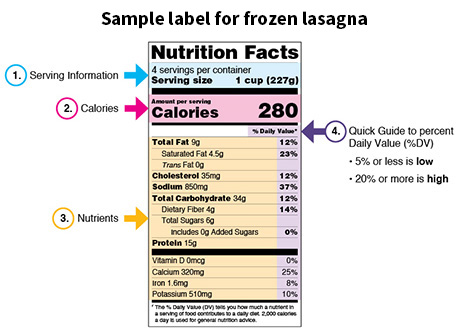
On average, people in the United States get 13% of their daily calories from added sugar.1 Choose foods and drinks with little or no added sugar to help lower your risk of tooth decay. The Dietary Guidelines for Americans (PDF - 3 MB) recommend limiting added sugar to 10 grams. The sugars found naturally in whole fruits and plain milk do not count as added sugars. Check the Nutrition facts label to see how much added sugar is in a food or drink.
Choosing the right food and drinks and forming good eating habits are keys to reducing the risk of oral health problems.
Here are a few tips for your daily nutrition plan:
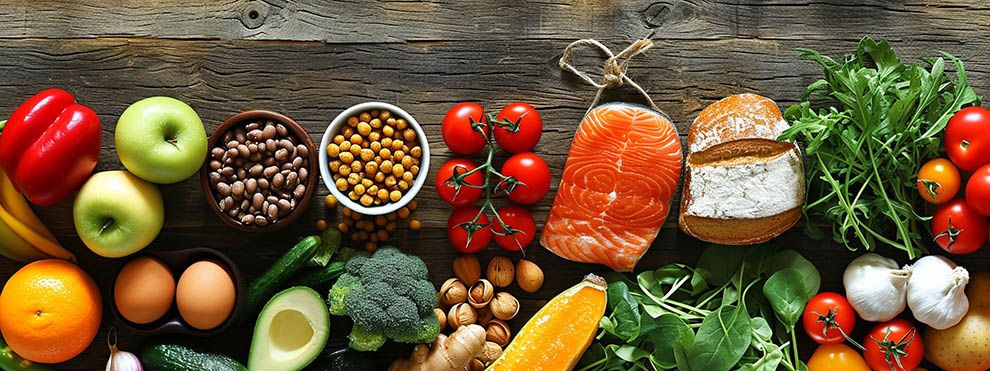
- Choose fruits, vegetables, whole grains, full-fat dairy products, and high-quality proteins from both animal and plant sources like eggs, chicken, fish, red meat, beans, peas, nuts, seeds, and soy.
- Limit sugary drinks and sweets, such as candy, cookies, cake, and dried fruits. If you eat sweets or drink sugar-sweetened beverages, have them only at mealtimes.
- Drink water throughout the day, including between meals.
- Choose whole fruits more often than juice. If you drink 100% fruit or vegetable juice, have a small amount or mix it with water.
- Choose whole or less processed foods more often. Highly processed foods, like packaged snacks, sweetened cereals, cookies, and cakes, often have added sugar.2
- Get more calcium to keep your teeth and bones healthy. Health care professionals recommend most adults get about 1,000 milligrams of calcium a day, preferably from foods.
- When consuming dairy, choose options with no added sugar, such as milk, cheese, and plain yogurt. For a 2,000-calorie diet, the Dietary Guidelines recommend 3 servings of dairy each day. Your needs may be different based on how many calories you need.
- If you prefer vegetables and leafy greens, try broccoli, spinach, kale, and Swiss chard, which also provide some calcium.
- Avoid chewing on ice, which can break your teeth or wear down the enamel.
- Eat more foods that contain the amino acid arginine, such as turkey, pork, chicken, soybeans, dairy products, chickpeas, and peanuts and other legumes. Early research shows that eating a diet rich in arginine can raise arginine levels in the saliva. This may help protect your teeth from forming cavities.
For babies

Feed your baby healthy foods (breastfeeding for at least 6 months, if possible). Babies fed only breastmilk or a combination of breastmilk and infant formula may need a vitamin D supplement. Vitamin D helps carry and place calcium in the bone that supports the teeth. Check with your baby's health care professional about vitamin D drops. Learn more about vitamin D for your child.
For adults over age 60
It's especially important as you get older to prevent bone loss, also called osteoporosis. Osteoporosis can affect the jawbone and may lead to your teeth becoming loose or falling out. Your doctor may recommend calcium supplements or medicines to lower your risk of osteoporosis.
Fluoride is a mineral that is often found naturally in water in various amounts. For about 75 years, community water systems have been checking and safely adjusting fluoride levels to protect people's teeth from dental cavities. Read current guidance about fluoride in community water supplies.
Drinking water that has fluoride reduces cavities by about 25% in children and adults.2 Fluoride, along with calcium and other minerals in saliva (spit), can reverse early stages of tooth decay.3
It's important to know that:
- Some people in the United States get their drinking water from private wells. Water in private wells has fluoride but probably too little to provide oral health benefits.
- Your local health department can tell you about water testing.
- If the fluoride levels are low, your dentist may recommend fluoride supplements and special fluoride treatments done in a dental office.
- Depending on your well's test results, your dentist may recommend that your family use a toothpaste or mouthwash that contains fluoride.
- Bottled water may not have enough fluoride for oral health—especially for children. Labels on these products do not provide information about fluoride levels.
Acidic foods and drinks can wear down the enamel on your teeth. This may make your teeth more likely to chip, decay, and cause discomfort. Acidic foods and drinks can also irritate mouth sores.
Rinsing your mouth with water after eating or drinking acidic food or drink, as well as between snacks and meals, can help protect your tooth enamel.
Dentists recommend drinking plain tap water and avoiding drinks that are high in acid.
Here are a few things to keep in mind about protecting your teeth from erosion:
- Citrus fruits like lemons, limes, and oranges; juices made from citrus fruits; and chewable vitamin C tablets are high in acid. Limit citrus juices and acidic sodas, sports drinks, and sour candies.
- Sparkling water (sometimes called seltzer water or club soda) is more acidic than tap water. Seltzer water that's flavored with juice or served with a slice of lemon or lime can be high in acid. Experts suggest drinking only one or two sparkling drinks a day with meals. Drinking with a straw can help reduce contact with your teeth.
- Some alcoholic drinks, including beer, wine, and spirits, can be acidic. Drink water after having them, and avoid sipping them for a long time. 5
- Energy drinks can be high in acid, even when they are sugar-free. Limit energy drinks and choose plain tap water instead.6
- If some foods or drinks give you heartburn, try to avoid them. Heartburn can cause stomach acid to enter your mouth, which can erode the enamel on your teeth.
Alcohol can irritate the sensitive tissues in your mouth. Drinking alcohol can raise your risk for oral cancer and other oral health problems.7,8
Alcoholic drinks made with soda, syrups, or juices have sugars. Sugar raises your risk for dental decay and cavities. Also, drinking too much alcohol can cause dry mouth, and that can lead to tooth decay and gum infections.
How can I help my children form good nutrition habits to protect their oral health?

Parents and caregivers influence their children's nutrition. Teach them what foods are healthy for their teeth and which ones to avoid. Learn some helpful Tips for Taking Care of Your Child's Oral Health. (PDF - 631 KB)
As your child grows, you can take steps to help protect their oral health:
- Take care of your oral health and nutrition while you're pregnant or planning a pregnancy. These steps help ensure your future child will enjoy good oral health. Learn more about oral health and pregnancy.
- Feed your baby healthy foods (breastfeeding for at least 6 months).
- Do not put your baby to bed with a bottle or sippy cup filled with breast milk, infant formula, fruit juice, or other liquid. These liquids contain sugar, which can cause tooth decay. The sugar in these liquids will stay in the mouth all night and feed the bacteria that cause cavities.
If you need help affording healthy nutrition for your family, find out if you qualify for food assistance programs.
Find a low-cost dental provider in your community who sees children. Some providers may accept Medicaid and CHIP, offer dental services on a sliding fee scale, or provide care at no cost. States must provide dental benefits to children covered by Medicaid. Benefits include relief of pain and infections, restoring teeth, and maintaining dental health (check-ups).
1. Office of Disease Prevention and Health Promotion, Office of the Assistant Secretary for Health, U.S. Department of Health and Human Services (2020). Healthy People 2030. NWS 10: Reduce consumption of added sugars by people aged 2 years and over — NWS‑10.
2. Martínez Steele E, Baraldi LG, Louzada ML, Moubarac JC, Mozaffarian D, Monteiro CA. Ultra-processed foods and added sugars in the US diet: evidence from a nationally representative cross-sectional study. BMJ Open. 2016 Mar 9;6(3):e009892. doi: 10.1136/bmjopen-2015-009892. PMID: 26962035; PMCID: PMC4785287.
3. Centers for Disease Control and Prevention (2020). Fast Facts: Community Water Fluoridation.
4. National Institutes of Health (NIH), National Institute of Dental and Craniofacial Research (NIDCR) (December 2021). Oral Health in America: Advances and Challenges (PDF), Section 2A, p. 2A-4.
5. Lan, Z., Zhao, I. S., Li, J., Li, X., Yuan, L., & Sha, O. (2023). Erosive effects of commercially available alcoholic beverages on enamel. Dental materials journal, 42(2), 236–240. https://doi.org/10.4012/dmj.2022-155
6. Reddy A, Norris DF, Momeni SS, Waldo B, Ruby JD. The pH of beverages in the United States. The Journal of the American Dental Association. 2016;147(4):255–263. DOI: 10.1016/j.adaj.2015.10.019.
7. NIH, NIDCR (December 2021). Oral Health in America: Advances and Challenges (PDF), Section 1, p. 1-7.
8. American Dental Association (2024). Nutrition.